Published August 15, 2026
Tennessee Closing Costs Explained:

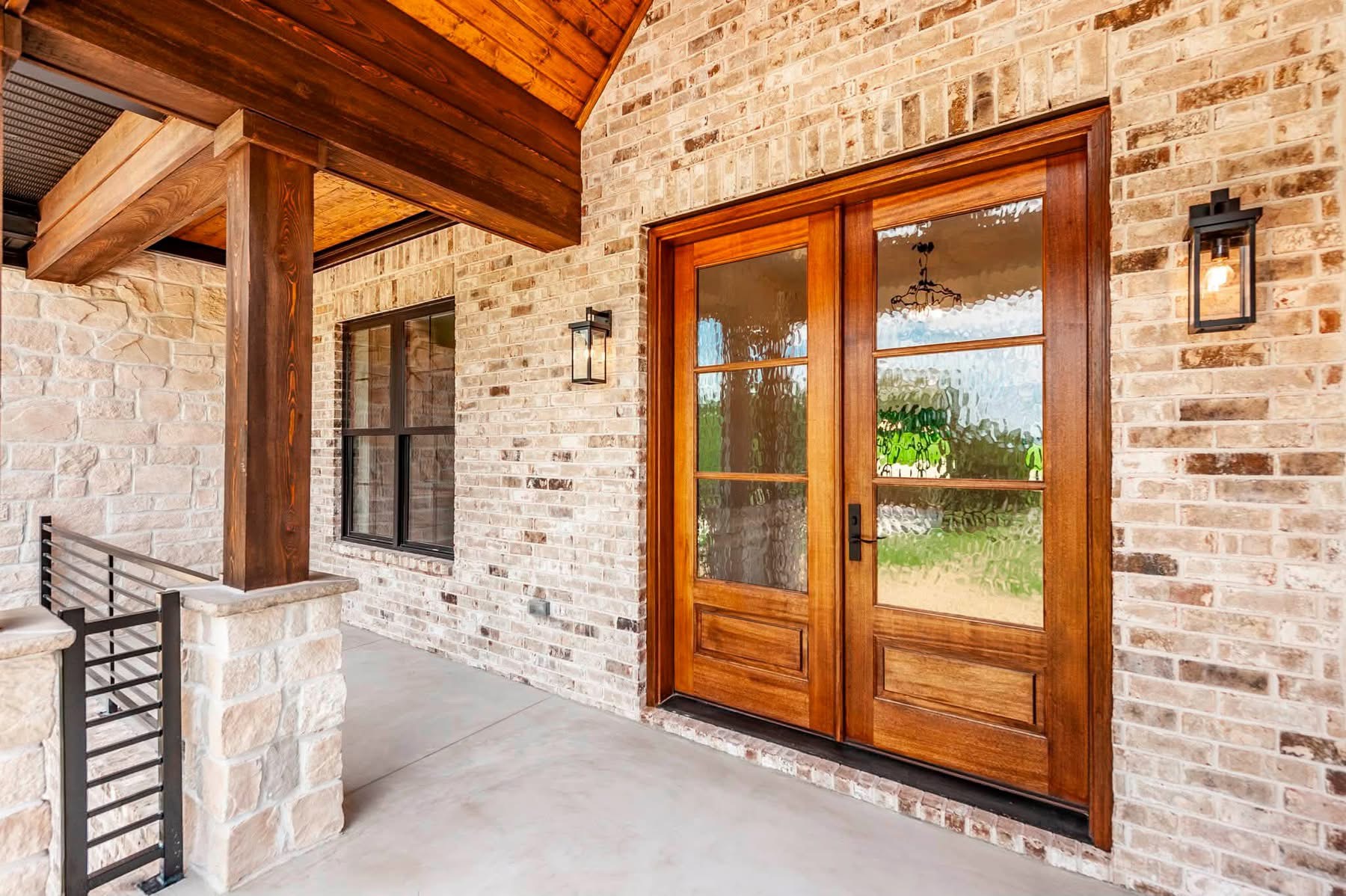
Buying a Home in Tennessee? Don’t Forget About Closing Costs
One of the biggest surprises for many home buyers isn’t the down payment—it’s the closing costs.
Whether you’re a first-time home buyer, moving up to your next home, or relocating to Tennessee from another state, understanding closing costs can help you avoid unexpected expenses and feel confident throughout the home-buying process.
At Matt Sargent Homes, we believe educated buyers make better decisions. Here’s everything you need to know about closing costs when buying a home in Tennessee.
What Are Closing Costs?
Closing costs are the fees and expenses paid when a real estate transaction is finalized. These costs are separate from your down payment and are due at the closing table when ownership of the home transfers from the seller to the buyer.
In Tennessee, buyers should generally plan for closing costs to range between 2% and 5% of the home’s purchase price, depending on the loan type, lender, and property.
What Do Tennessee Closing Costs Include?
1. Lender Fees
Your mortgage lender charges fees to process and approve your loan. These may include:
● Loan origination fees
● Underwriting fees
● Processing fees
● Credit report fees
● Rate lock fees (if applicable)
These costs vary from lender to lender, which is why shopping for a mortgage can save you money.
2. Appraisal Fee
Most lenders require a professional appraisal to verify the home’s value before approving financing.
This typically costs several hundred dollars and is usually paid by the buyer.
3. Home Inspection
While not always required by lenders, a home inspection is highly recommended.
An inspection can identify potential issues with the home’s structure, systems, roof, HVAC, plumbing, and more before you complete the purchase.
4. Title Services and Title Insurance
Title companies perform a title search to ensure there are no ownership disputes, liens, or legal issues tied to the property.
You’ll also typically purchase title insurance, which protects your ownership rights after closing.
5. Recording Fees and Tennessee Transfer Taxes
When ownership changes hands, documents must be recorded with the county.
Tennessee also charges a realty transfer tax of $0.37 per $100 of the purchase price and a mortgage tax of $0.115 per $100 of the loan amount.
These fees are commonly addressed within the purchase agreement and may vary based on local customs and negotiations.
6. Prepaid Expenses and Escrow Deposits
Some of your closing costs are actually future expenses paid upfront, including:
● Property taxes
● Homeowners insurance
● Prepaid mortgage interest
● Escrow account funding
These costs help establish your escrow account and ensure taxes and insurance are paid on time.
Can the Seller Pay Some of My Closing Costs?
Yes.
One of the most overlooked opportunities for buyers is negotiating seller concessions.
In many Tennessee transactions, sellers may agree to contribute toward a buyer’s closing costs, especially in a balanced or buyer-friendly market. New construction builders also frequently offer closing cost incentives. Loan program guidelines determine how much a seller can contribute.
This can significantly reduce the amount of cash you need at closing.
Tips for First-Time Home Buyers
Start Saving Early
Many buyers focus only on the down payment and forget about closing costs. Build both into your savings plan from the beginning.
Ask for a Loan Estimate
Your lender will provide a Loan Estimate that outlines expected closing costs. Review it carefully and ask questions.
Compare Lenders
Not all lender fees are the same. Even small differences can save you thousands of dollars over the life of your loan.
Work With an Experienced Real Estate Professional
A knowledgeable agent can help you negotiate seller-paid closing costs, understand local market conditions, and avoid surprises before closing day.
Relocating to Tennessee? Here’s What to Expect
Many buyers moving to Tennessee are pleasantly surprised by the state’s relatively affordable closing costs compared to many parts of the country. Tennessee also has no state income tax, making homeownership even more attractive for many relocating families. Buyer closing costs generally remain within the 2%–5% range, depending on financing and transaction details.
Whether you’re moving from California, Florida, Texas, Illinois, or anywhere else, understanding these costs ahead of time can make your transition much smoother.
Final Thoughts
Buying a home is exciting, but preparation is key. Understanding Tennessee closing costs can help you budget accurately, negotiate effectively, and avoid last-minute stress.
If you’re planning to buy a home in Murfreesboro, Rutherford County, Nashville, or anywhere in Middle Tennessee, the team at Matt Sargent Homes is here to guide you through every step of the process.
Ready to Buy a Home in Tennessee?
Matt Sargent Homes specializes in helping first-time buyers, relocating families, and local residents navigate the Tennessee real estate market with confidence.
Contact Matt Sargent Homes today for personalized guidance and expert advice on buying a home in Middle Tennessee.